Demolition Safety Tips: A Comprehensive Guide
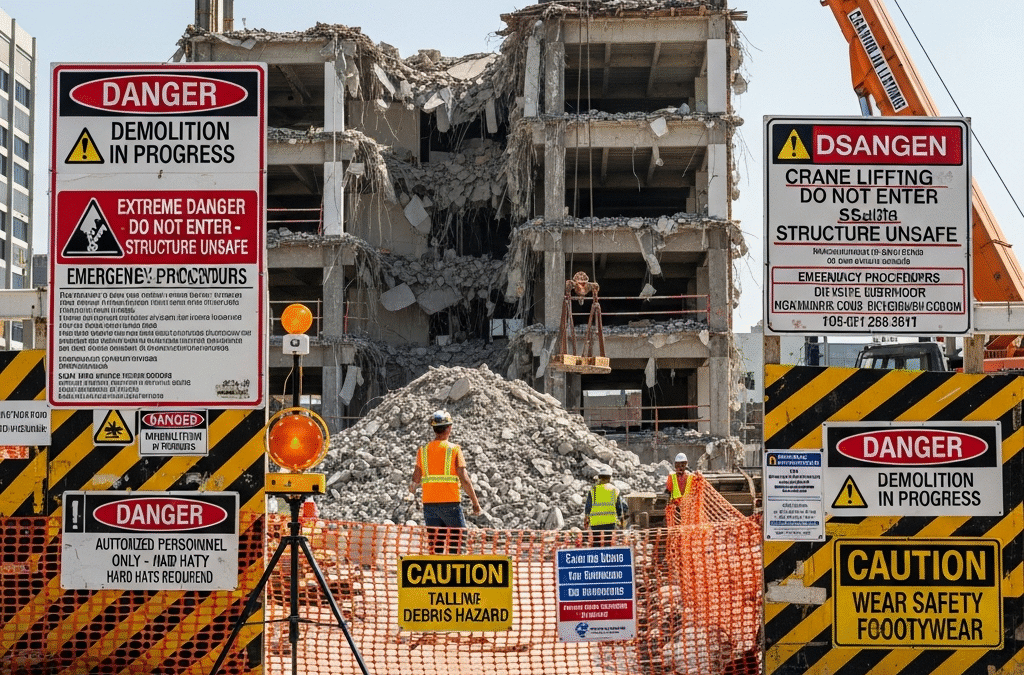
Demolition work is inherently dangerous, demanding meticulous planning and strict adherence to safety protocols. Whether you’re undertaking a soft strip demo in Harlow or a more extensive project, understanding and implementing proper safety measures is paramount. This guide provides essential demolition safety tips to help ensure the well-being of workers and the public.
Pre-Demolition Planning and Assessment
Before any demolition work begins, a thorough site assessment is crucial. This assessment should identify potential hazards, including:
- Hazardous materials: Asbestos, lead paint, and other hazardous substances must be identified and removed by qualified professionals before demolition.
- Structural integrity: Assess the building’s structure to understand potential collapse points and ensure a safe demolition sequence.
- Utilities: Identify and disconnect all utilities, including gas, electricity, water, and sewer lines.
- Adjacent structures: Evaluate the proximity of neighbouring buildings and implement measures to protect them from damage.
Following the assessment, develop a detailed demolition plan outlining the procedures, equipment, and safety measures to be used. This plan should be communicated clearly to all workers involved in the project.
Essential Safety Equipment and Personal Protective Equipment (PPE)
Providing and mandating the use of appropriate PPE is non-negotiable. Essential safety equipment includes:
- Hard hats: To protect against head injuries from falling debris.
- Safety glasses: To shield eyes from dust, particles, and flying objects.
- Gloves: To protect hands from cuts, abrasions, and chemical exposure.
- Steel-toed boots: To prevent foot injuries from heavy objects and sharp materials.
- High-visibility clothing: To ensure workers are easily seen, especially in low-light conditions.
- Respirators: To protect against inhalation of dust, fumes, and hazardous materials.
Regularly inspect and maintain all safety equipment to ensure it is in good working condition and compliant with regulations.
Safe Demolition Practices
Adhering to safe demolition practices is critical to preventing accidents and injuries. Key practices include:
- Controlled demolition: Employ controlled demolition techniques to minimise the risk of uncontrolled collapses.
- Dust control: Implement dust suppression measures, such as water spraying, to reduce airborne particles and improve visibility.
- Debris removal: Regularly remove debris to maintain a safe working environment and prevent tripping hazards.
- Equipment operation: Ensure that all equipment operators are properly trained and certified.
- Communication: Establish clear communication channels between workers and supervisors to coordinate activities and address potential hazards effectively.
For demolition projects such as demolition in Basildon or demolition in Billericay, these practices are particularly important given the potential for residential proximity. Prioritising safety is key.
Training and Competency
All workers involved in demolition activities must receive comprehensive training on safety procedures, hazard recognition, and equipment operation. Training should cover:
- Hazardous materials handling
- Fall protection
- Equipment safety
- Emergency procedures
- First aid
Regular refresher training is essential to reinforce safety knowledge, ensure compliance, and address any new hazards or procedures.
Regular Inspections and Audits
Conduct regular site inspections and safety audits to identify potential hazards and ensure compliance with safety regulations. Address any identified issues promptly and implement corrective actions to prevent accidents. This proactive approach is vital for maintaining a safe work environment.
Demolition, whether it’s demolition in Aveley or demolition in Barking, presents unique challenges, making strict adherence to safety protocols paramount. By following these demolition safety tips, you can significantly reduce the risk of accidents and injuries, ensuring a safe and successful project.

