
Deconstruction vs Demolition: What’s the Difference?
When it comes to taking down a structure, you might think demolition is the only option. However, there’s a more sustainable and resource-conscious alternative: deconstruction. While both processes result in a building being dismantled, their approaches, goals, and environmental impacts differ significantly. Let’s explore the key differences between deconstruction and demolition, helping you understand which is right for your project.
What is Demolition?
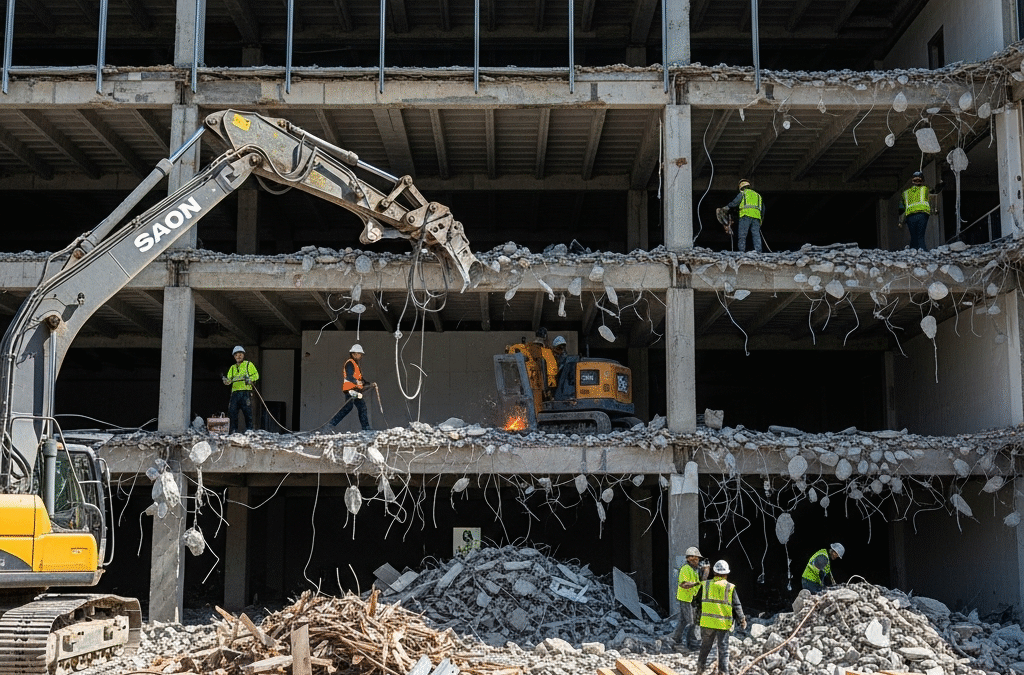
Demolition involves the complete or partial dismantling of a building, typically using heavy machinery such as excavators and bulldozers. The primary goal is speed and efficiency, with the debris often hauled away to landfill. Demolition in Barking, Basildon, or any other location focuses on quickly clearing a site for new construction or other purposes. This method prioritises speed of removal.
What is Deconstruction?
Deconstruction, on the other hand, is a more methodical and labour-intensive process. It involves carefully dismantling a building piece by piece, with the aim of salvaging and reusing as many materials as possible. This might include everything from timber and bricks to fixtures and fittings. Deconstruction is essentially “construction in reverse,” prioritising the recovery of valuable resources and reducing waste.
Key Differences Between Deconstruction and Demolition
Here’s a breakdown of the main distinctions between these two methods:
- Purpose: Demolition aims to clear a site quickly. Deconstruction aims to salvage materials for reuse or recycling, promoting a circular economy.
- Speed: Demolition is much faster than deconstruction.
- Cost: Demolition is often initially cheaper due to its speed and reliance on machinery. However, deconstruction can offset costs through the sale of salvaged materials and reduced landfill fees.
- Environmental Impact: Deconstruction significantly reduces landfill waste and conserves natural resources. Demolition contributes heavily to landfill waste.
- Labour: Deconstruction is more labour-intensive, creating more job opportunities.
- Material Recovery: Deconstruction recovers a high percentage of building materials for potential reuse. Demolition typically recovers very little.
Benefits of Deconstruction
Choosing deconstruction over traditional demolition offers several advantages, particularly in terms of sustainability and resource management:
- Environmental Sustainability: Reduces landfill waste, conserves natural resources, and lowers the carbon footprint associated with producing new building materials. As discussed on our blog, embracing circular economy principles can significantly reduce waste.
- Cost Savings: Salvaged materials can be reused on-site or sold, offsetting deconstruction costs and potentially generating revenue.
- Job Creation: Deconstruction projects require more manual labour, creating local job opportunities and supporting the local economy.
- Preservation of Architectural Heritage: Allows for the careful removal and preservation of unique architectural elements and historical materials, retaining valuable pieces of the past.
When is Deconstruction the Right Choice?
Deconstruction is particularly suitable for:
- Buildings containing valuable or unique materials that can be repurposed or sold.
- Projects with sustainability goals, where minimising environmental impact is a key objective.
- Sites where minimising environmental impact is a priority and adherence to environmental regulations is crucial.
- Buildings in areas such as Abridge or Aveley, where local councils are keen on promoting green initiatives and sustainable practices.
Demolition Services Still Have Their Place
While deconstruction offers many benefits, demolition remains a necessary option in certain situations. For buildings that are structurally unsound, heavily contaminated, or require extremely rapid removal, demolition may be the only viable solution. In areas such as Billericay or Becontree, where urban redevelopment is ongoing, demolition often plays a crucial role in preparing sites efficiently for new construction.
Ultimately, the choice between deconstruction and demolition depends on the specific project goals, budget, and environmental considerations. By understanding the differences between these two approaches, you can make an informed decision that aligns with your values and priorities, ensuring a responsible approach to building dismantling.

