
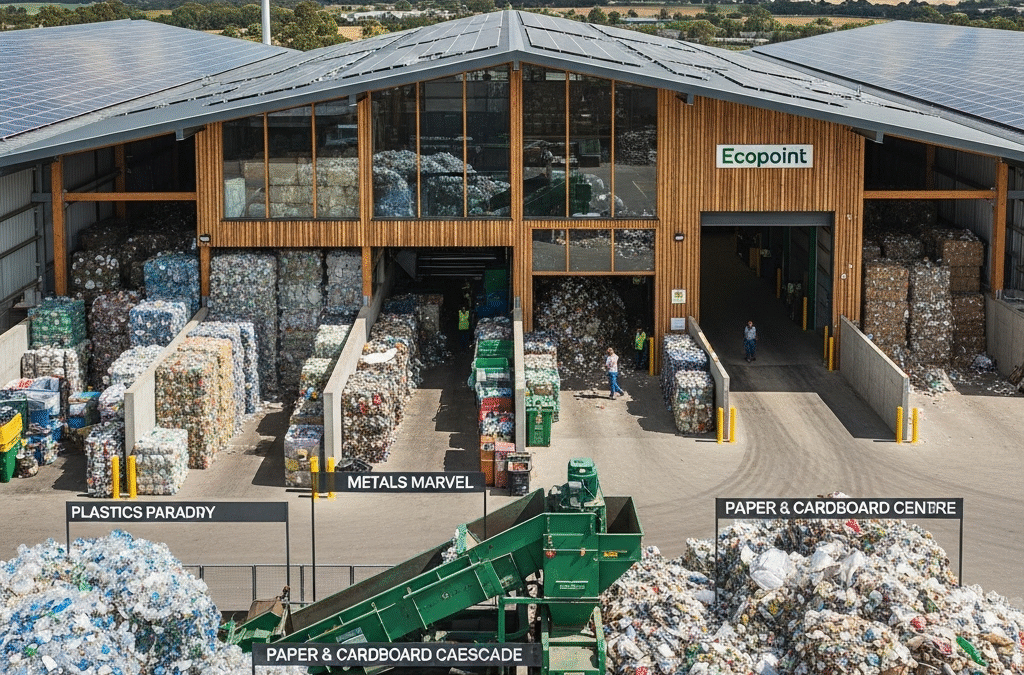
Reducing Landfill Waste: A Guide to Sustainable Waste Management
Landfill waste is a significant environmental concern, contributing to greenhouse gas emissions, soil and water contamination, and the depletion of natural resources. Reducing landfill waste is crucial for creating a more sustainable future. This guide explores practical strategies and solutions for minimising the amount of waste that ends up in landfills, and promoting better waste management.
Understanding the Problem
Landfills are designed to contain waste, but they are not without their problems. The decomposition of organic waste in landfills produces methane, a potent greenhouse gas that contributes to climate change. Additionally, harmful chemicals and pollutants can leach into the soil and groundwater, contaminating ecosystems and posing risks to human health. The sheer volume of waste generated globally is also a major concern, as landfill space is finite. This highlights the importance of effective waste reduction strategies.
Strategies for Reducing Landfill Waste
There are many effective ways to reduce the amount of waste sent to landfills:
- Reduce: The most effective way to reduce landfill waste is to minimise the amount of waste you create in the first place. This can involve buying products with less packaging, choosing reusable items over disposable ones, and avoiding single-use plastics.
- Reuse: Find new uses for items instead of throwing them away. Donate unwanted clothes, furniture, and electronics to charity shops or organisations. Repair broken items instead of replacing them.
- Recycle: Recycling transforms waste materials into new products, conserving resources and reducing the need for landfill space. Familiarise yourself with your local recycling guidelines and recycle paper, plastic, glass, and metal whenever possible.
- Compost: Composting is a natural process that decomposes organic waste, such as food scraps and garden waste, into a nutrient-rich soil amendment. Composting reduces the amount of organic waste sent to landfills and creates a valuable resource for gardening and landscaping.
Waste Management Solutions
Effective waste management is essential for reducing our environmental impact. Here are some key areas:
- Construction and Demolition Waste: Construction and demolition activities generate significant amounts of waste. Proper planning, sorting, and recycling of materials can significantly reduce the amount of construction waste sent to landfills. For example, we offer builders waste clearance in Basildon, Barking, Aveley, and Becontree, ensuring responsible disposal and recycling of materials.
- Household Waste: Implement comprehensive recycling programmes and encourage residents to reduce, reuse, recycle, and compost. Provide clear guidelines and convenient collection systems to maximise participation.
- Commercial Waste: Work with businesses to implement waste reduction strategies, such as reducing packaging, recycling materials, and composting food waste. Offer incentives and support to encourage participation.
The Role of Waste Clearance Services
Professional waste clearance services play a crucial role in reducing landfill waste. These services ensure that waste is disposed of responsibly, with a focus on recycling and diverting waste from landfills. For instance, services such as site clearance in Abridge and Barkingside, can efficiently remove and process waste, ensuring a higher percentage of materials are recycled or repurposed. You can view examples of our work in our gallery.
Reducing landfill waste requires a collective effort from individuals, businesses, and governments. By implementing the strategies and solutions outlined in this guide, we can work together to create a more sustainable and environmentally responsible future, and minimise landfill waste.

