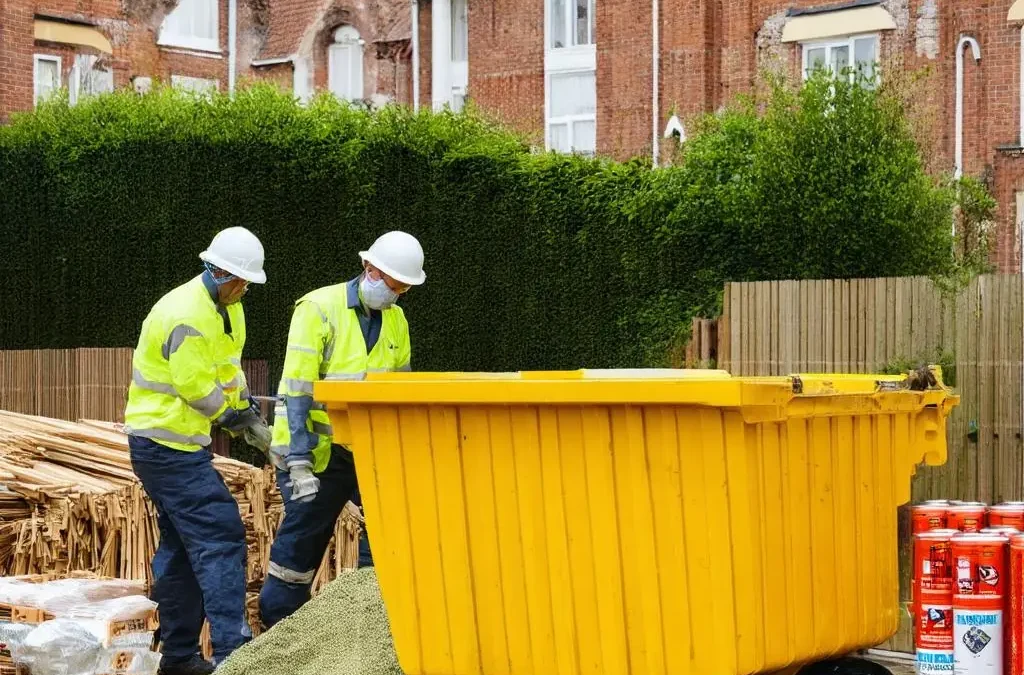
With digital and AI‑driven design accelerating interior refresh cycles, Essex homes and commercial spaces are being updated more often. That means more carpets, curtains, upholstery, wall coverings and non‑woven materials will enter local waste streams in 2026. Planning responsible end‑of‑life routes before you lift a gripper rod or unroll new carpet is now essential—for compliance, cost control and carbon reduction.
As a family‑run Essex provider, Essex Waste & Demolition Solutions (EWDS) supports homeowners, landlords and contractors through soft‑strip projects, refurbishments and full fit‑outs. Our approach combines practical logistics (skips from 2 to 14 yards, wait‑and‑load, site clearance) with evidence‑backed environmental performance—100% landfill diversion and 90%+ recycling—so you can modernise interiors without compromising on sustainability.
Typical Soft‑Strip Waste—and How to Preserve Reuse Value
Expect the following materials during carpet and soft‑furnishing removals:
- Carpets (wool, polypropylene, nylon) and underlay (foam, rubber, felt)
- Fabric offcuts, sample books, and non‑woven wall coverings
- Packaging: plastic wrap, cardboard tubes, pallet strapping, bags
- Gripper rods, tacks, staples and threshold strips
- Blinds, tracks, poles and window dressings
- Foam cushions, paddings and batting
- Adhesives, tapes and sealants (including solvent‑based products)
What can be reused, resold or donated:
- Reuse in‑situ: High‑quality rugs and runners may be redeployed in secondary rooms or outbuildings if safe and fit‑for‑purpose.
- Resale: Premium curtains, poles, blinds, and near‑new rugs often retain value on local marketplaces. Retain fixings, brackets and measurements to maximise resale interest.
- Donation: Many Essex charities accept curtains, bedding and linens; some reuse networks or animal shelters may take clean carpet pieces as mats. Note: upholstered furniture for donation generally requires intact fire‑safety labels.
- Materials recovery: Foam underlay (especially rebond foam) and clean synthetic carpet types can be recycled by specialist processors. Wool carpet has potential reuse in horticulture or insulation applications where accepted by processors.
How to keep items clean and dry to maintain value:
- Lift carpets and underlay dry. Avoid wet extraction immediately before removal; moisture increases weight, invites mould and can render items non‑reusable.
- Roll, do not fold. Tape each roll securely and label by size and material (e.g., “PP carpet 4 m × 3 m”).
- Bag small textiles and fabric offcuts in clear sacks. Keep away from plaster dust and wet waste.
- Box and protect reusable window dressings. Retain all fixings and list contents on the box.
- Separate adhesives, sealants and any chemical residues; never mix with textiles.
Segregation and Safety: How to Achieve High Recycling Rates
Thoughtful sorting is the single most effective step to improve recycling and reduce costs. On site, maintain clear zones or containers:
- Textiles: Carpets, underlay, curtains and fabric offcuts together. Keep dry and free from contamination.
- Wood: Gripper rods, battening and timber separately. Watch for protruding nails and tacks.
- Plasterboard (gypsum): Store cleanly and separately—do not mix with general waste due to UK disposal restrictions.
- Metals: Threshold strips, curtain poles, brackets and fixings into a metals container.
- General waste: Mixed residuals only when no further segregation is practical.
- WEEE and components: Motorised curtain tracks, remote units and chargers as electrical waste. Keep bulbs and batteries apart from all other streams.
- Adhesives, solvents, sealants and aerosols: Keep closed, upright and segregated. Discuss safe handling and disposal routes in advance with your waste provider.
Safety considerations and legacy hazards:
- Sharp fixings: Gripper rods and staples present puncture risks. Wear cut‑resistant gloves and bag rods separately.
- Solvent‑based adhesives: Ventilate, avoid ignition sources, and store away from heat. Do not pour residues into drains.
- Suspected asbestos or other legacy hazardous materials: If tiles, old adhesives, insulating boards, artex‑type coatings, bitumen mastics or pipe lagging are present and you are unsure, stop work and seek specialist assessment. Do not disturb suspect materials. EWDS can coordinate compliant testing and licensed removal where required.
Practical Logistics for Essex Refurbishments
Choosing the right container and collection strategy keeps projects tidy, compliant and on schedule. EWDS offers flexible solutions across Essex:
Choosing the right skip size (indicative guidance):
- 2‑yard mini: Small bathrooms, box rooms; perfect for blinds, packaging, small carpet rolls.
- 4‑yard midi: Bedrooms or small offices; suitable for modest carpet and underlay volumes.
- 6‑yard builder’s: Typical lounge or two rooms of carpet/underlay plus packaging and gripper rods.
- 8‑yard: Larger soft‑strip projects across multi‑room flats or small houses.
- 12‑ to 14‑yard: Bulkier, lighter soft furnishings and packaging from larger properties or multi‑unit floor re‑carpets.
Operational tips:
- Level loads only. Keep materials within skip sides; overfilled skips cannot be transported.
- Watch weight. Wet carpets and underlay are markedly heavier—store under cover and avoid soaking to prevent excess weight charges and reduce emissions from transport.
- Mix smartly. Keep plasterboard and WEEE out of general skips; separate metals and clean wood where feasible to increase recycling and reduce costs.
- Tight access or no permit? Use EWDS wait‑and‑load. We arrive with the vehicle, you load quickly (with our crew’s help if agreed), and we depart—ideal for high streets, short windows or controlled estates.
- Minimise disruption. Coordinate skip or wait‑and‑load windows around resident access, school runs and delivery slots. EWDS can align collections with your programme to keep circulation routes open.
- Whole‑site clearance. For end‑of‑tenancy or phased refurbishments, our site‑clearance teams remove textiles, fixtures, and leftover construction waste in one coordinated visit, with optional Portable Loo hire to support crews on longer shifts.
Compliance and Choosing a Responsible Provider
Your duty of care:
- Businesses, landlords and contractors must ensure waste is transferred to a licensed carrier and accompanied by appropriate documentation. Use waste transfer notes for non‑hazardous waste and consignment notes for hazardous streams.
- Householders should also use a licensed carrier, obtain a receipt and verify where their waste is going—this protects you from fly‑tipping liability.
- Keep records. Retain documents and disposal evidence for your project file.
What to ask a provider:
- Evidence‑backed recycling and diversion rates. EWDS guarantees 100% landfill diversion and consistently achieves 90%+ recycling, underpinned by audited processes and local processing.
- Clear segregation guidance. Ask for simple site signage and container labelling to keep textiles, wood, metals, plasterboard, WEEE, bulbs and batteries apart.
- Transparent pricing. Confirm what is included (delivery, rental period, collection), what constitutes overfill or overweight, and any charges for contamination.
- Fast, accurate quotes. EWDS offers instant quoting via WhatsApp—send photos of your materials for the correct skip size, route and pricing in minutes.
- Credentials and coverage. Verify waste carrier licence, insurance, and safe systems of work. EWDS operates across Essex and nearby areas with trained staff and an active environmental and sustainability policy focused on reducing resource use, prioritising green supplies and transport, and ongoing staff training.
Why local processing matters:
- Keeping materials within Essex or the surrounding region reduces transport miles and emissions. EWDS prioritises local sorting and recycling partners to cut carbon and support the county’s circular economy.
Quick Planning Checklist for 2026 Renovations and Soft‑Strip Projects
- Scope early: List all soft furnishings to be removed (carpets, underlay, blinds, curtains, poles, fixings, foam, adhesives, packaging).
- Protect reuse: Lift and store textiles dry; roll carpets; bag offcuts; box and label reusable window dressings with fixings.
- Segregate on site: Keep textiles, wood, plasterboard, metals and general waste separate; hold WEEE, bulbs and batteries apart.
- Manage hazards: Bag gripper rods and sharps; isolate adhesives and aerosols; stop work and seek specialist assessment if you suspect asbestos or other hazardous materials.
- Choose the right container: Match skip size (2–14 yards) to volume; consider wait‑and‑load for tight access; plan site‑clearance support for multi‑phase works.
- Keep within limits: Load to level, keep materials dry, and avoid mixing restricted wastes.
- Stay compliant: Use a licensed carrier; secure waste transfer notes or consignment notes as applicable; retain all documentation.
- Verify sustainability: Request evidence of recycling rates and landfill diversion; prioritise local processing to cut transport emissions.
- Streamline quoting: Share photos via WhatsApp for rapid, accurate pricing and the correct logistics from day one.
Responsible disposal in 2026 is not only possible—it is practical and cost‑effective with the right plan. By protecting reuse value, segregating intelligently, and partnering with an Essex provider that delivers verified recycling performance and 100% landfill diversion, you will finish your refurbishment confident that your interiors upgrade has been matched by best‑in‑class environmental stewardship.

