Demolition Waste Recycling: A Guide
Demolition projects generate a significant amount of waste; however, with responsible demolition waste recycling, we can minimise environmental impact and conserve valuable resources. This guide explores the process of recycling demolition waste, its benefits, and how to ensure effective waste management during demolition projects.
Understanding Demolition Waste
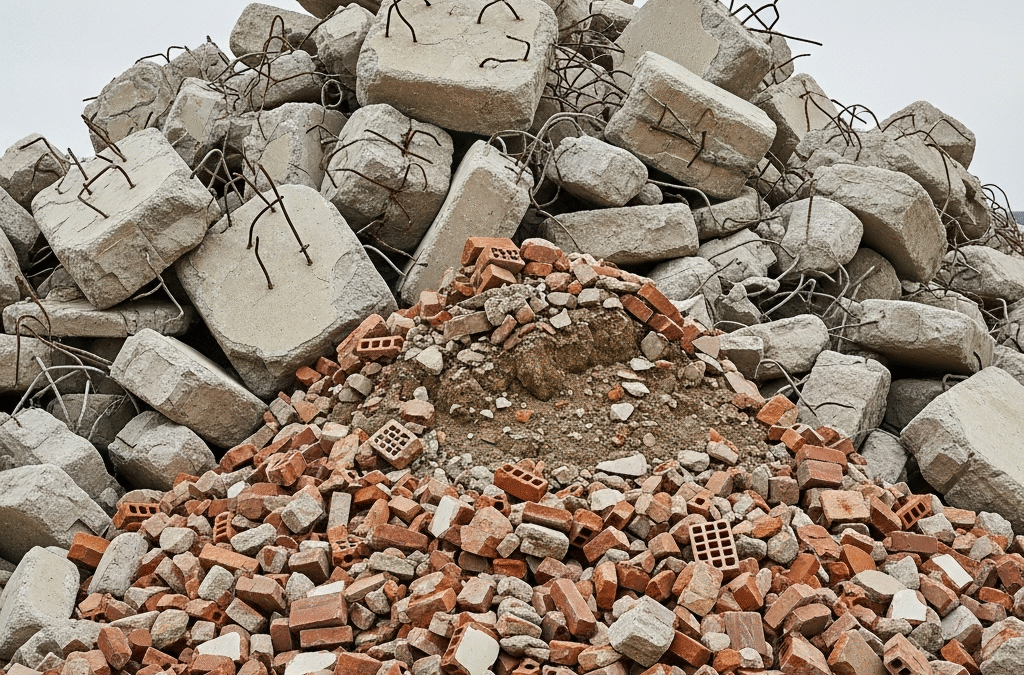
Demolition waste comprises a variety of materials, including concrete, wood, metals, bricks and plastics. Traditionally, much of this waste ended up in landfill. However, increasing environmental awareness and stricter regulations are driving the adoption of recycling practices. Effective demolition waste recycling begins with a comprehensive waste audit to identify the types and quantities of materials present.
The Recycling Process
The demolition waste recycling process typically involves several key stages:
- Sorting and Segregation: Materials are sorted on-site or at a recycling facility. This involves separating different types of waste, such as wood from concrete, and removing any hazardous materials.
- Crushing and Processing: Concrete and brick are often crushed into aggregate, which can be used as a base material for roads or new construction projects.
- Reprocessing: Other materials like wood and metal are reprocessed into new products. Wood can be turned into mulch or used in the manufacturing of particleboard, while metals are melted down and reformed.
Benefits of Recycling Demolition Waste
Choosing demolition waste recycling offers numerous advantages:
- Environmental Conservation: Recycling reduces the demand for virgin materials, conserving natural resources and reducing habitat destruction.
- Reduced Landfill Usage: Diverting waste from landfills extends their lifespan and reduces the environmental problems associated with landfill sites.
- Lower Carbon Footprint: Recycling processes often require less energy than producing new materials, resulting in a lower carbon footprint. As discussed in our blog, projects can transform construction waste into low-carbon value.
- Cost Savings: In some cases, recycling can be more cost-effective than landfill disposal, particularly when considering landfill taxes and transportation costs.
Ensuring Effective Demolition Waste Recycling
To ensure your demolition project incorporates effective demolition waste recycling, consider the following:
- Planning and Assessment: Conduct a thorough waste audit before demolition begins to identify recyclable materials and plan for their separation and processing.
- Engage a Reputable Waste Management Company: Partner with a company experienced in demolition waste recycling, such as EWD Solutions, who can provide expert advice and efficient waste removal services. We offer site clearance in Basildon, Billericay, Barking, and other Essex locations.
- On-Site Segregation: Implement a system for segregating waste materials on-site to maximise the amount of material that can be recycled.
- Compliance with Regulations: Ensure that your waste management practices comply with all relevant environmental regulations and guidelines.
Choosing the Right Partner
Selecting the right waste management partner is crucial for successful demolition waste recycling. Look for a company with a proven track record, the necessary equipment and expertise, and a commitment to environmentally responsible practices. EWD Solutions provides reliable and eco-friendly site clearance in Aveley, Abridge, and Barkingside, ensuring your project aligns with circular economy principles.
By embracing demolition waste recycling, we can significantly reduce the environmental impact of demolition projects, conserve valuable resources and contribute to a more sustainable future. Contact us today to learn more about our services and how we can help you achieve your waste management goals.

